Here’s an easy-to-understand guide about the cricket pitch length, how it’s maintained, and the types of pitches used in international cricket.
Overview of a Cricket Pitch
A cricket pitch is a flat, rectangular area of short grass where the main action in cricket takes place. It is where bowlers deliver their balls and batters try to score runs. The condition of the pitch can affect how the ball behaves, sometimes giving an advantage to spin or pace bowlers. Each pitch is different, which impacts the game in its own unique way.
Cricket Pitch Size in Feet and Meters
The cricket pitch is the central strip where the game is played. It is 22 yards (66 feet) in length and 10 feet wide, which translates to approximately 20.12 meters by 3.05 meters. Usually, it’s covered in short grass, but sometimes the surface may be dry and dusty, with very little grass.
The bowling crease at each end of the pitch is 2.64 meters long. There is also a rectangular area called the protected area, which runs down the middle of the pitch and is around two feet wide. Players are not allowed to step into this zone, and it helps maintain fair play.
ALSO READ: The maintenance of a cricket pitch involves several steps to ensure fair play: Covers are placed over the pitch to protect it from rain or dew, which can impact the way the ball behaves. Cricket Law 11 states that a pitch should not be completely covered during a match unless both teams agree. In bad weather, the run-up area for bowlers may be covered. If covers are used overnight, they are taken off early before play begins each day. Rolling the pitch helps by pressing down the soil and reducing the amount of grass. This creates a smooth surface that behaves predictably. Before each inning or at the start of each day’s play, the batting captain can request rolling for up to seven minutes. Sweeping is done before rolling to clear debris from the pitch. This helps avoid any unevenness during rolling. Sweeping is also done before meals, between innings, and at the start of each day’s play. Batsmen may use sawdust to secure their footholds, as long as it does not damage the pitch. Umpires ensure that footholes are maintained, especially in rainy weather, by cleaning and drying the holes made by bowlers and batters. In longer matches, umpires may also allow the repair of bowlers’ foot holes before each day’s play. READ MORE: 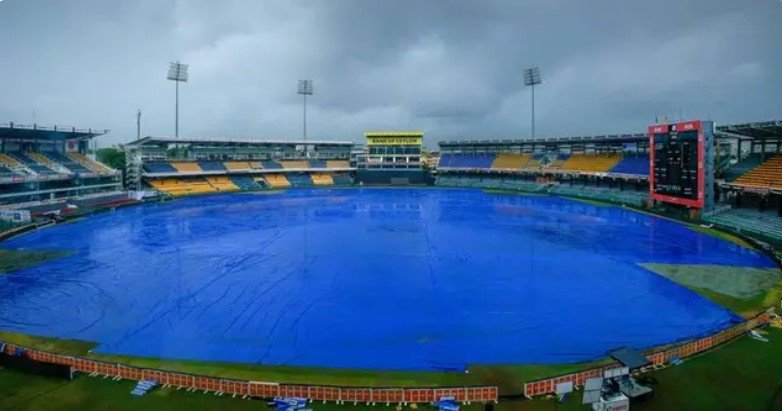
1. Covering
2. Rolling

3. Sweeping
4. Securing Footholds